A Song To Attract Seals
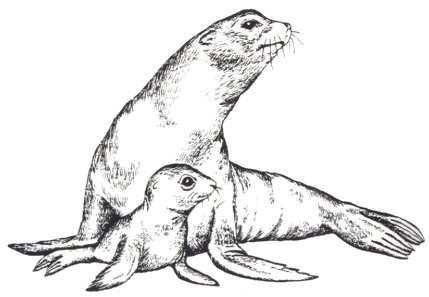
This haunting melody is from the Patrick MacDonald collection (1784). In the Scottish hierarchy of nature, seals are almost equal in rank to humans. The "Selkie" myths tell of seals taking human form for short visits on land.Seals are a very common sight across the islands. Heads bobbing above the surface of the waves, they are most often seen watching inquisitively with uncannily human eyes.
Scotland has many tales concerning the selkie, a magical race of creatures. Selkies often came to be regarded as gentle shape shifters with the ability to transform from seals into beautiful, lithe humans.
Throughout the surviving folklore there is no general agreement as to how often this magical transformation could take place. In some tales it was once a year, usually on Midsummer's Eve, whereas in others it could be 'every ninth night' or 'every seventh stream'.
However often they were able to transform, the folklore does tell us that once in human form the selkie folk would dance merrily on lonely stretches of moonlit shore or bask in the sun on outlying rocks or skerries.
A common thread in many Selkie folk tales, and perhaps the most important, is the fact that when the selkies assume human form they cast off their sealskins. Within these magical skins lay the power to return to seal form, and therefore the sea.
If one of the selkie folk lost their sealskin, they were doomed to remain in human form until the skin was recovered. Because of this, if
disturbed during one of their midnight shore dances, the selkie folk
would hastily snatch up their skins and rush back to the safety of the
sea.Seals are familiar sights along Scotland's coastlines. The most numerous species there is the common seal, also called the harbor seal. Like most seals, common seals spend much of their time basking on rocks and beaches. In 1905 a Shetland Island birder wrote of these naps, "Such great yawns, such stretchings, heavings and throwings back of the head ... How intensely he enjoys his intertidal sleep."

 including