The World's
Most Haunting Melodies
Haunting:
Continually recurring to the mind....
"haunting memories";
"the cathedral organ and the distant
voices have a haunting beauty"
Beautiful, but in a sad way
and often in a way which cannot be forgotten:
"a haunting melody"
For many years now, we have been asking musicians, composers, and people from all walks of life and from across the world to tell us the melodies they find the most haunting. The result of this informal election is this PDF collection of the notation for the 22 tunes that received by far the most votes on a continual basis.
Below, you can also download an MP3 collection of many of these haunting melodies.
Tam Lin - A famous old Scottish ballad.
Inisheer - Old Irish tune.
The Great Silkie - This ballad originated in the Orkney Islands. A "silkie" is a supernatural being who lives in the sea. They wear sealskins to travel through the ocean, and take them off when they are on land.
Summer Is Coming (Ta ar Samhradh Teacht) - Old Irish Tune, Probably sung on the solstice feasts.
The Sound Of The Waves - Celtic Traditional
Winyadelpa - Sung by the fairies to Gibbie Laurenson in 1803. From the "Shetland Folk Book" (volume 2). This interesting tome contains a number of tunes actually sung by fairies which were collected over the years.
Geronimo's Medicine Song
The Skye Boat Song - Charles Edward Stewart, the Young Pretender, was routed by the Duke of Cumberland on Culloden Moor in 1745. Aided by a Jacobite heroine, Flora MacDonald, Bonnie Prince Charlie escaped to the island of Skye in the inner Hebrides. He was finally taken by a French vessel to Morlaix on the coast of Bretagne. The first half of the tune is said to be an old sea shanty; the other half is traditionally attributed to Miss MacLeod. The words to this song were written by Sir Harold Boulton, in 1884.
Midnight On The Water - A tune often attributed to Texas fiddler Luke Thomasson
She Moved Through The Fair - According to Ossian's Folk songs and Ballads Popular in Ireland - Volume I the tune dates back to Medieval times.
She Moved Through The Fair - According to Ossian's Folksongs and Ballads Popular in Ireland - Volume I the tune dates back to Medieval times.
Samanthra - A 19th century American "shape note"hymn
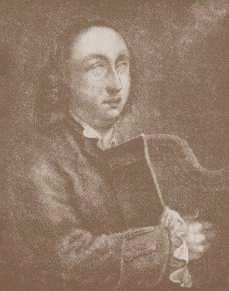
O'Carolan's Welcome - Tune by Turlough O'Carolan, legendary blind Irish harper and composer
Ned Of The Hill - Old Irish song about Edmund Ryan who was an Irish earl displaced by Cromwell after the Battle of the Boyne who stayed in Ireland to fight the British
Tonight my sleep will be restless (A nochd gur faoin mo chadol dhohm) - An old Gaelic air
Hyltadance - A tune sung by the fairies in Fetlar, 1642. Another tune from the Shetland Folk Book (volume 2). This interesting tome contains a number of tunes actually sung by fairies which were collected over the years.
This very short melody is truly hypnotic. I don't know if there is any direct correlation between the two, but in Gaelic dance and music fairy folklore the word "haltadans" means the 'limping dance'. The "Haltadans" is also the name of a stone ring comprising 38 stones originally set edge to edge, enclosing a bank inside which are two earthfast stones, possibly a Bronze Age cairn. Trows (the little people) often went there to dance in the light of the full moon.
I Ask For Peace - Chinese Folk Tune
How Can I Keep From Singing? - Shaker tune
Give Me Your Hand (Tabhair Dom Do Lámh) - A beautiful air, attributed to 17th century Irish harper Rory Dall O'Cathain
Dumbarton's Drums - Old traditional Scottish tune
The Earth Only Endures - Native American chant
Aith Rant - A tune played by a fairy fiddler in Aiths Voe, 1790. Another tune from the Shetland Folk Book (volume 2). This interesting tome contains a number of tunes actually sung by fairies which were collected over the years.
After your secure payment of $2.50 is processed you will immediately be sent the download link to the email you give while purchasing the collection.
The World's Most HauntingMelodies MP3 Collection
This is especially useful to those who do not read music notation but might like to learn some of these melodies, or for those who might like to hear some of these melodies.
After your secure Paypal or credit-card payment has been processed, you will be sent an email with the download link.Tamlin - MP3 sample
She Moved Through The Fair MP3 sample
Geronimo's Medicine Song - MP3 sample
Early American music,
unusual & unique music,
and ephemera collection.
New...
The Cider Press Unique PDF ebook collection for historical researchers, music history researchers and for the just plain curious folks out there....
including the music of the spheres, the music of a Renaissance alchemist, music created by software and artificial intelligence, the music of the fairies, the music of the Illuminati, the world's most mysterious book, the world's oldest song, a way you can compose music like Mozart, the world's oldest love song,
and much more........
© 2016 - Amaranth Publishing
All rights reserved